By Skye Novis In-house Associate Nutritionist (ANutr)(BSc)
Gut health has become one of the biggest topics in nutrition over
the last few years. From fermented foods and probiotic supplements to fibre goals and microbiome
testing, there is a lot of information out there and it can quickly start to feel overwhelming.
At its simplest, gut health is about how well your digestive system
is working, and how supported your gut environment is day to day. It is not about one single
food, supplement or trend. It is about the small, consistent habits that help your gut do its
job well: digesting food, absorbing nutrients, supporting regular bowel movements and
interacting with other systems in the body.
The good news is that supporting your gut health does not need to
be complicated. For most people, the foundations are surprisingly simple: eating enough fibre,
including a wide variety of plant foods, staying hydrated, moving regularly, managing stress
where possible and getting enough sleep.
What is gut health?
Gut health refers to the health and function of the digestive
system, including the stomach, small intestine and large intestine. This system breaks down
food, absorbs nutrients and helps remove waste from the body.
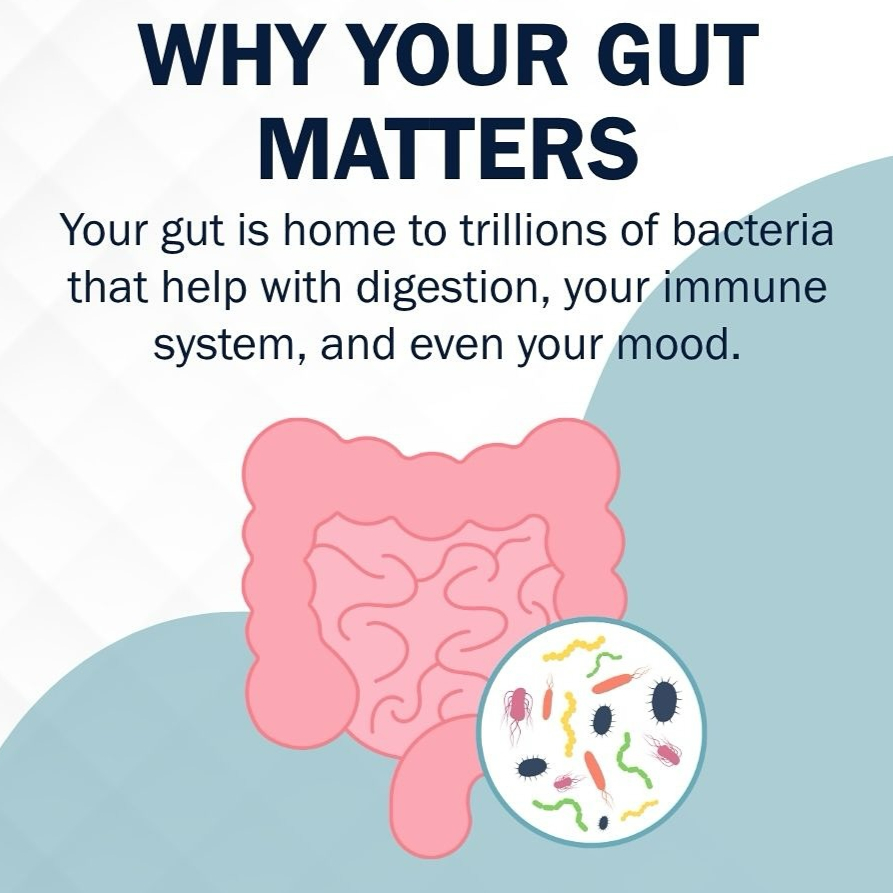
A key part of gut health is the gut microbiome: the community of
trillions of microbes, including bacteria and other microorganisms, that live mostly in the
large intestine. These microbes interact with the food we eat, especially fibre from plant
foods, and produce compounds that can support the gut lining and wider health.¹ ²
Gut health is not just about bloating or how often we go to the
toilet, although these can be useful signs to pay attention to. Everyone’s digestion is
different, and occasional bloating can be normal, especially after larger meals or higher-fibre
foods.
Why does gut health matter?
The gut’s main role is digestion, but it also supports wider
health. A healthy digestive system helps us absorb nutrients, supports regular bowel movements
and helps maintain the gut barrier which is the lining of the gut that acts as an important
boundary between the digestive tract and the rest of the body.
The gut is also closely linked with the immune system, to which you
may have heard of the gut-brain axis: the two-way communication between the gut and the brain.
This may help explain why stress, nerves or excitement can affect digestion and give us the
‘butterflies’ feeling, and vice versa why digestive discomfort can affect how we feel.
However, the science around the microbiome is still developing, and
many areas are complex. What we do know is that a varied, fibre-rich diet and supportive
lifestyle habits can help support digestive health in a realistic, sustainable way.
What can affect gut health?
Gut health is influenced by diet, lifestyle, environment and
individual factors. Food is a brilliant place to start, especially fibre. Fibre is found in
plant foods and helps support bowel regularity, while also providing fuel for some beneficial
gut bacteria.
Low fibre intake, limited plant variety and a diet heavily based
around highly processed foods may make it harder to support a diverse gut microbiome. Regularly
including foods such as beans, lentils, chickpeas, oats, nuts, seeds, fruit, vegetables, herbs,
spices and wholegrains can help add both fibre and variety.
Hydration also matters. If we increase fibre without enough fluid,
digestion can feel more uncomfortable. Fibre works best when there is enough fluid in the
digestive system, helping stools pass more comfortably.
Lifestyle plays a role too. Stress, poor sleep, low movement,
alcohol intake and smoking can all influence digestive health. Antibiotics can also affect the gut microbiome, although they
can be essential when prescribed. The key is not perfection, but building habits that support
your digestive system most of the time.
Prebiotics, probiotics and fermented foods: what's the difference?
Prebiotics, probiotics and fermented foods are often talked about
together, but they are not the same thing.
Prebiotics are types of fibre that feed beneficial bacteria in the
gut. They are naturally found in plant foods such as onions, garlic, leeks, asparagus, bananas,
oats, beans, lentils and wholegrains.
Probiotics are live microorganisms that may provide a health
benefit when consumed in adequate amounts. They are found in foods, such as yoghurts with live
or active cultures. Probiotics may help restore the natural balance of bacteria in the gut when
it has been disrupted, but the evidence behind broad probiotic health claims varies.
Fermented foods are made using microorganisms. Examples include
kimchi, sauerkraut, miso, tempeh, kefir, kombucha and live yoghurt. They can be a delicious way
to add flavour and variety, but they are not a shortcut to perfect gut health. Some contain live
cultures, while others may not by the time we eat them.
Simple ways to support your gut health
There are lots of small, everyday habits that can support gut
health. If your diet is currently lower in fibre, build up gradually so your gut has time to
adjust.
Eat more fibre
Fibre supports regular bowel movements and helps feed beneficial
gut bacteria. Good sources include oats, beans, lentils, chickpeas, wholegrains, fruit,
vegetables, nuts and seeds.
Aim for plant variety
Different plant foods contain different fibres, polyphenols and
nutrients. Try adding more variety across fruit, vegetables, beans, lentils, wholegrains, nuts,
seeds, herbs and spices.
Add fermented foods gradually
Try a spoonful of kimchi or sauerkraut with lunch, miso in a
dressing, tempeh in a stir-fry or live yoghurt with fruit and granola. Start small, especially
if fermented foods are new to you.
Stay hydrated
Water is important for digestive health, particularly when eating
more fibre. Herbal teas, soups, fruit and vegetables can all contribute to overall fluid intake
too.
Move your body
Regular movement can support gut motility, which is the movement of
food and waste through the digestive tract. A walk, gentle yoga, cycling, swimming or simply
moving throughout the day can all help.
Support stress and sleep
The gut and brain are closely connected, which is why digestion can
feel different when we are stressed or rushed. Taking a few calm breaths before eating, stepping
away from your desk for lunch, getting outside and building a calmer evening routine can all
support better habits around digestion.
6 Strategies for a Happier Gut
1. Start with a balanced breakfast
A breakfast that brings together fibre, healthy fats and protein can help reduce bloating, support steady energy and keep digestion ticking along. Try miso oats with tahini and greens, garlicky mushrooms on toast, or a warm bowl of porridge topped with nuts, seeds and berries - all grounding, nourishing and easy to digest.
2. Focus on prebiotic fibre
Your gut microbes love prebiotics – the type of fibre that feeds beneficial bacteria. You’ll find them in leeks, onions, garlic, bananas, oats, and lentils. According to the latest microbiome research, including a variety of plant foods (aim for 30+ per week) is one of the best things you can do for long-term gut health.
3. Cook your veg when digestion feels off
Cooked vegetables are easier to break down and gentler on your gut. Add olive oil, herbs and lemon to boost absorption of fat-soluble nutrients and ease inflammation. Think: stir-fries, roasted veg or warming stews.
4. Eat in a calm state
Your gut works best in a relaxed state and so digestion starts before the first bite. A few deep breaths, chewing slowly or pausing before meals helps your body shift into rest-and-digest mode.
5. Hydrate between meals
Water keeps everything moving, but too much with meals can dilute stomach acid. Sip throughout the day instead, and try herbal teas like fennel, peppermint or ginger if you’re feeling bloated.
6. Move gently, often
Even a ten-minute walk after eating can do wonders. It doesn’t need to be a full workout - just a little movement, regularly, makes all the difference.
Gut-friendly option for every day
Avoid Quick Fixes - Solve your acidity and digestion issues for long-term with this Herbal Tea Drink. Repeating digestive issues and acidity isn't an acid problem. It's a gut problem. Poor digestion, trapped gas, and an imbalanced gut microbiome are the real reasons acidity keeps coming back, no matter what you eat or avoid.
Happy Healthier Gut Tea is a food-based, prebiotic gut drink built to fix the root, not mask the burn
View
Product





 Membership
 Our Story